Quantum SEO: Why Traditional SEO Is Failing — and What Search Engines Actually Reward Now​

Quantum SEO: Why Traditional SEO Is Failing — and What Search Engines Actually Reward Now
The End of Deterministic SEO

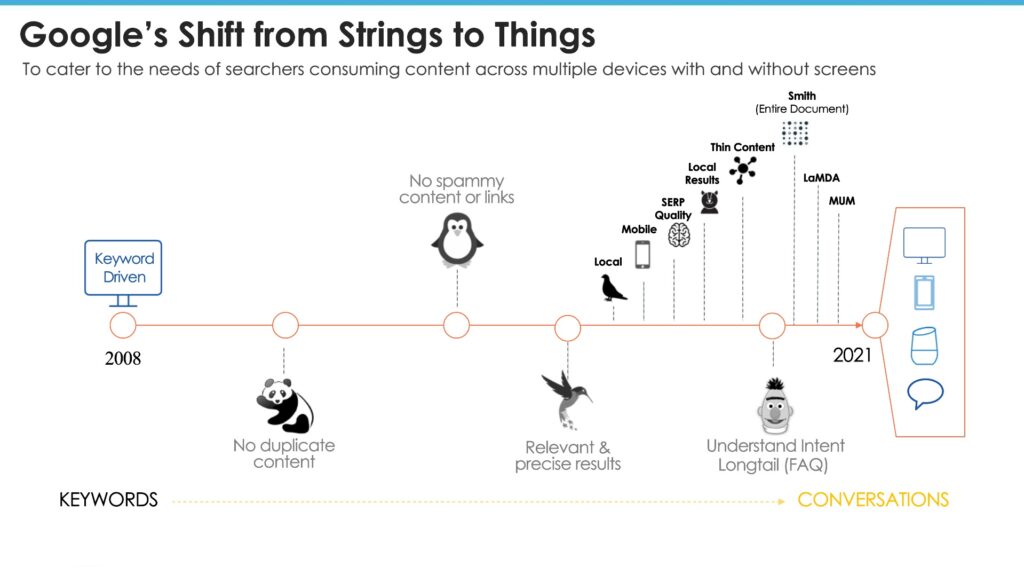
Search engines no longer rank pages by counting keywords, links, or technical checklists in isolation. They infer meaning, predict user satisfaction, and select results probabilistically. Quantum SEO emerges from this reality. It reflects how modern search algorithms—particularly Google’s—evaluate entities, context, behavior, and experience simultaneously. In a machine-learning driven environment, relevance is no longer a static outcome but an evolving state. SEO strategies rooted in deterministic mechanics increasingly fail because they attempt to control variables that search engines now treat as signals within a larger inference system.

What Is Quantum SEO?

Quantum SEO is the practice of optimizing a website or brand as an entity within a probabilistic search ecosystem, rather than optimizing pages for fixed keyword rankings.

Where classical SEO assumed linear cause-and-effect (“optimize X → rank Y”), Quantum SEO recognizes that modern algorithms operate more like Bayesian models—evaluating probabilities across interacting signals to determine the most likely best answer for a specific user, in a specific context, at a specific moment.

DimensionClassical SEOQuantum SEO
Optimization TargetKeywordsEntities & Intent
Ranking ModelDeterministicProbabilistic
Success MetricPositionVisibility Probability
Content FocusKeyword DensitySemantic Coherence
AuthorityBacklinksTrust + Corroboration
UX SignalsSecondaryCore Ranking Inputs
AdaptabilityBrittleResilient

Key Insight:
Quantum SEO does not replace SEO fundamentals—it contextualizes them within a system where no single factor dominates.

Google’s modern ranking systems incorporate:

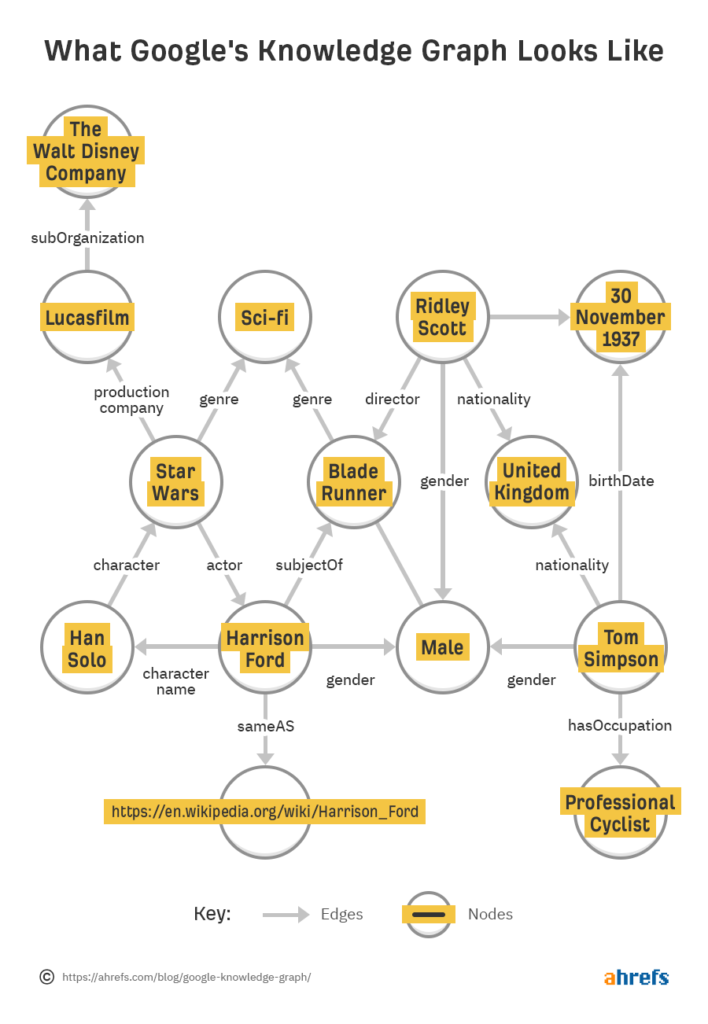
  • Entity understanding and knowledge graphs

  • Machine-learning ranking models

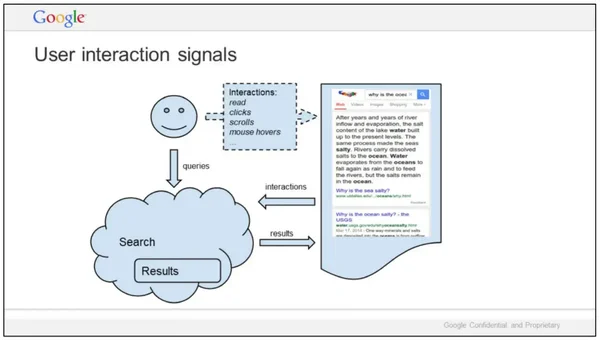
  • Real-world behavioral feedback loops

  • Experience metrics (Core Web Vitals)

  • Multi-surface result selection (organic, local, AI answers)


These systems evaluate interactions between signals, not isolated optimizations.

Signal CategoryExample MetricsRole in Ranking
Semantic MeaningTopic coverage, entity relationshipsRelevance inference
AuthorityMentions, citations, reviewsTrust calibration
ExperienceLCP, INP, CLSQuality validation
BehaviorEngagement, conversionsOutcome confirmation
ContextLocation, device, intentProbability adjustment

No signal “wins” outright. Weakness in one dimension can suppress otherwise strong performance.

Shift in Search

Search engines increasingly index entities rather than pages. An entity is defined not only by content, but by:

  • Consistent identity across platforms

  • Verified business information

  • Reviews and reputation

  • Behavioral outcomes

  • Technical reliability

In Quantum SEO, optimization answers a different question:


“How clearly and credibly does this site represent a real, authoritative entity?”

Quantum SEO in the Era of AI Search & LLMs

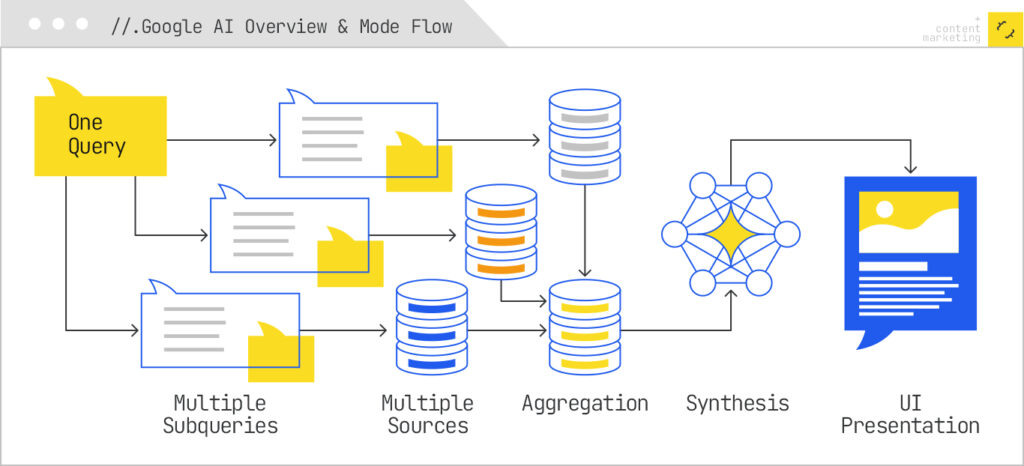
Large Language Models do not rank pages. They synthesize answers from trusted sources and entities.

This means:

  • Visibility depends on coherence and corroboration

  • Fragmented or contradictory signals reduce inclusion probability

  • Sites optimized for “search engines” but not meaning disappear from AI-generated answers

Quantum SEO prepares brands not just for Google Search, but for AI-mediated discovery.

Why Quantum SEO Outperforms Traditional SEO Long-Term
Traditional SEOQuantum SEO
Chases algorithm changesAligns with algorithm logic
Optimizes pagesOptimizes systems
Measures rankingsMeasures outcomes
Breaks with updatesStrengthens with updates
Relevance Is a Probability, Not a Position

Quantum SEO reflects a fundamental shift in search: from mechanical ranking to intelligent selection. As Google’s systems continue to integrate machine learning, entity graphs, and real-world feedback, strategies anchored to outdated assumptions lose effectiveness. Quantum SEO does not exploit loopholes or trends—it aligns with first principles of modern search: meaning over matching, experience over signals, and probability over position. In this environment, visibility is not claimed; it is earned by coherence across systems.

Leave a Reply

Your email address will not be published. Required fields are marked *